Quantum Cryptography for Securing Brain-Computer Interfaces
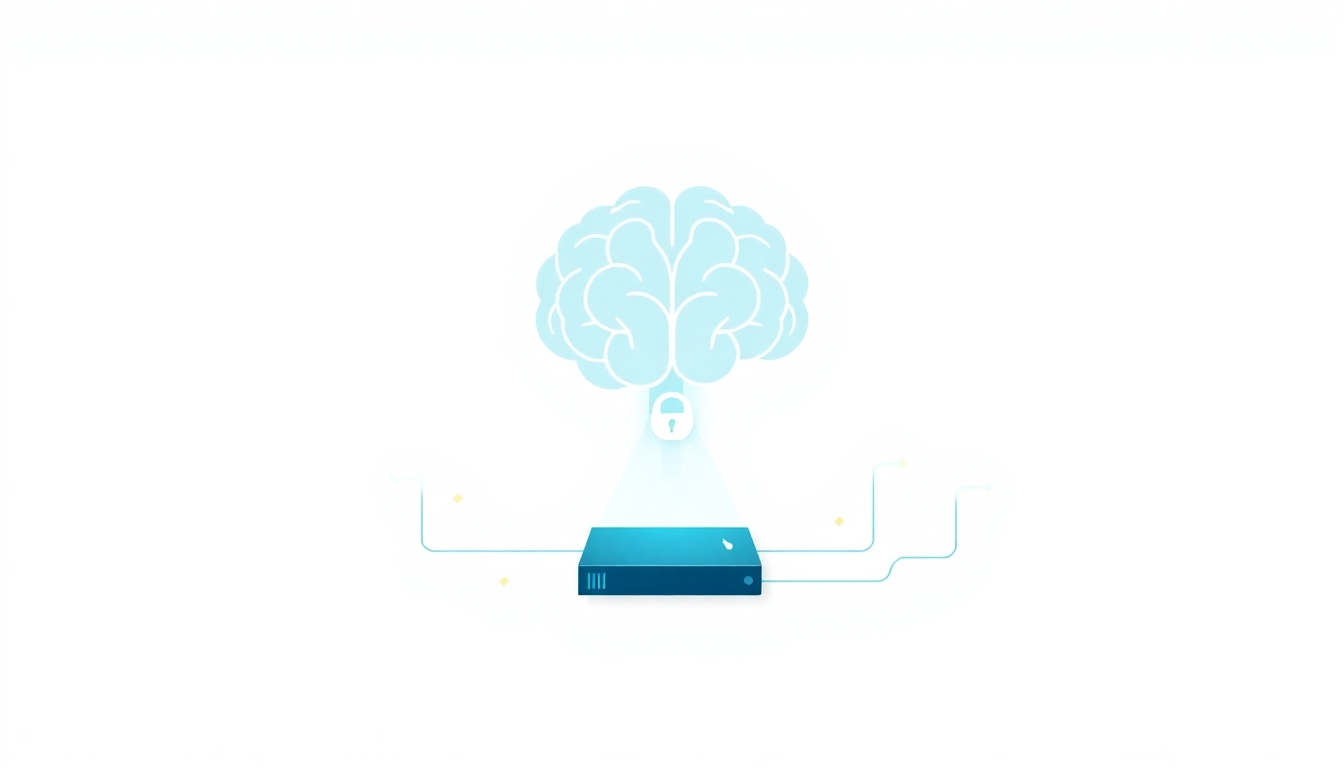
As brain-computer interfaces (BCIs) become more sophisticated and widely used, ensuring the security and privacy of neural data has become a critical concern. Quantum cryptography, particularly quantum key distribution (QKD), offers a promising solution to secure the communication channels between the brain and external devices.
The Need for Quantum-Secure BCIs
Traditional cryptographic methods may become vulnerable to attacks by future quantum computers. However, quantum cryptography provides a level of security that is theoretically unbreakable, even by quantum computers. This makes it an ideal choice for protecting sensitive neural data transmitted through BCIs.
Interactive QKD Visualization
Security Level: 0%
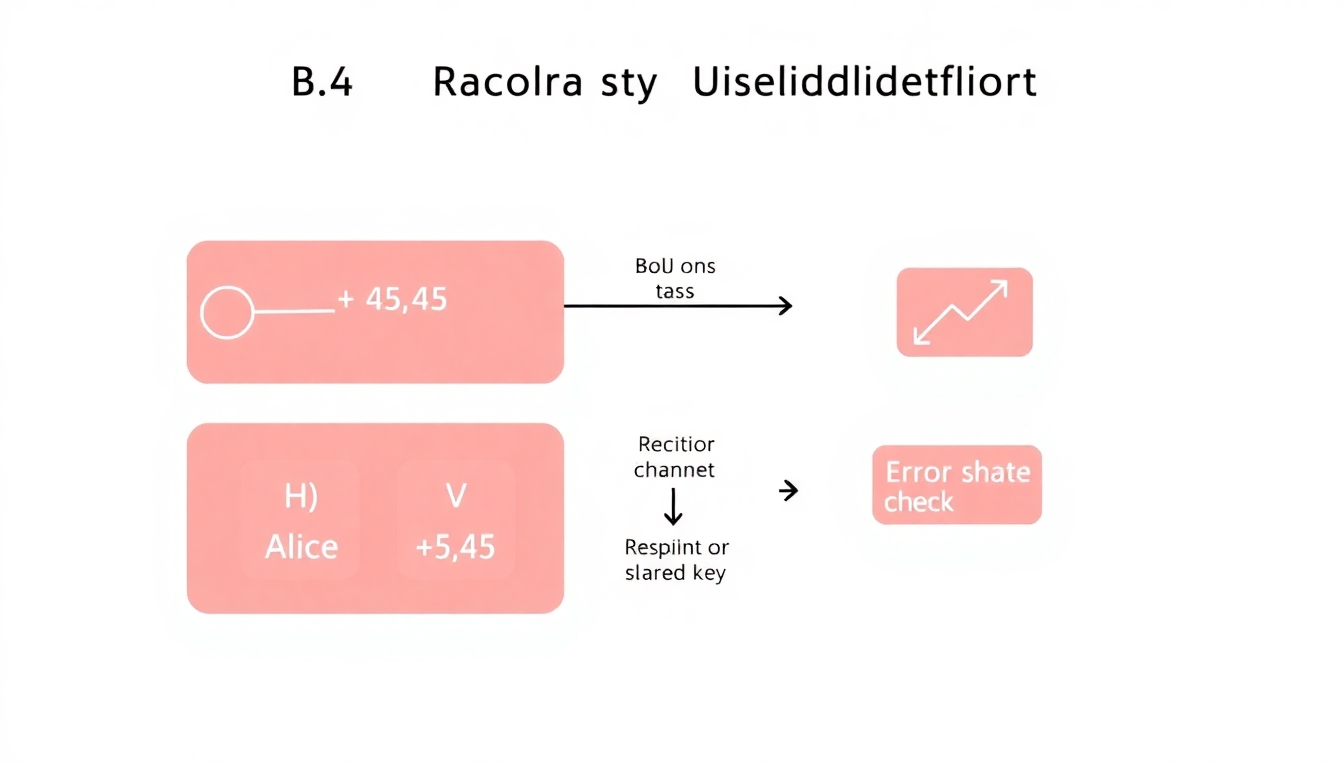
Implementing Quantum Cryptography in BCIs
Integrating quantum cryptography into BCIs involves several key components:
- Quantum Random Number Generator (QRNG) for key generation
- Quantum Key Distribution (QKD) protocol for secure key exchange
- Post-quantum cryptography for data encryption


Our million-qubit photonic quantum computer provides the necessary computational power to implement these advanced cryptographic techniques efficiently.
Challenges and Future Directions
While quantum cryptography offers unprecedented security, there are still challenges to overcome:
- Miniaturization of quantum components for implantable BCIs
- Ensuring real-time performance for seamless BCI operation
- Developing quantum-resistant authentication protocols
Ongoing research aims to address these challenges and further enhance the security of BCIs using quantum technologies.